19Jan 2017

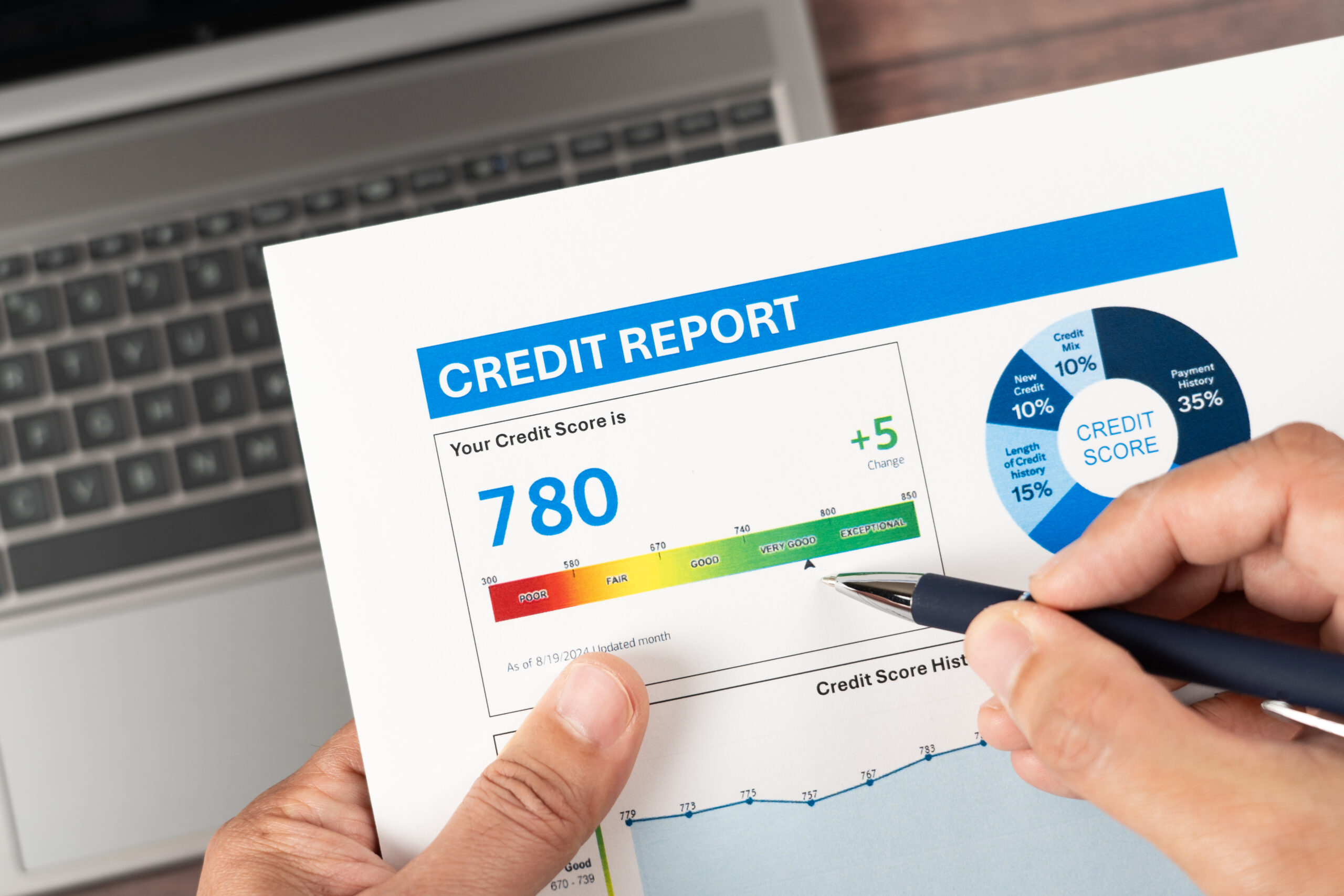
Practical guidance on credit scores, credit reports, disputes, rebuilding credit, and understanding how credit impacts future financial choices. All from a Christian, judgment-free perspective.
02Apr 2014

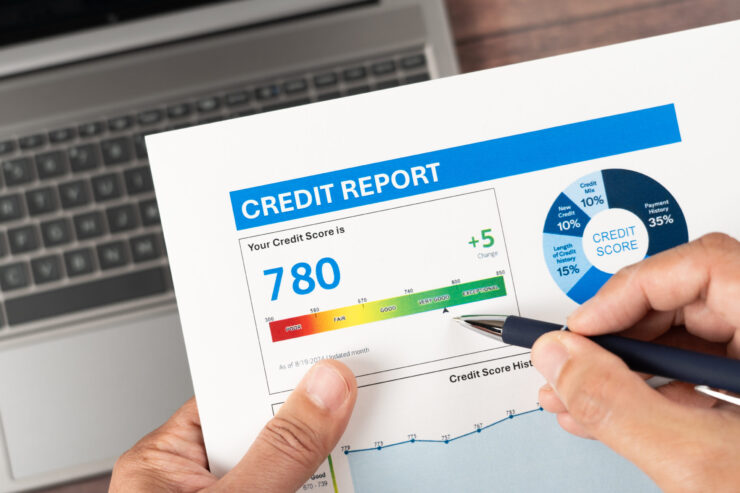
In an ideal world everyone would have enough cash to take care of their monthly expenses without ever having to take on unnecessary debt. However, the way our economy operates, it is quite inconvenient (although not impossible) to conduct your financial life without an adequate credit score. The question then is how to build or re-build healthy credit for those necessary times in life when your character is being judged by a FICO score.
Secured Credit Cards
Secured credit cards are a hybrid between a loadable debit card and an unsecured credit card. Basically secured credit cards allow individuals with poor or non-existent credit scores the opportunity to use a line of credit granted that the person first make a security deposit usually of $300-$500. Charges on the card are not deducted from this amount, but are actual credit charges. Paying off the entire balance each month will quickly begin to affect your credit score in a positive way.
Gas Cards
Applying for a gas card is another very safe way to build credit because you will be limited to purchasing only one necessary item, gas. Gas is already part of your regular monthly budget, so if you simply put these purchases on the card, and then use the cash you have set aside for gas to pay off the balance each month, then you will be building your credit with no extra expense or risk to your financial security.
Pay Student Loans on Time
Many people do not realize that Federal Student Loans will affect your credit score negatively or positively. Student loans are usually a very easy debt to manage because the interest rates are generally very low, late fees are small or non-existent and in most cases re-payment plans are ultra-flexible. Staying on top of this easy debt can re-build a credit score very quickly.
Do Utility Bills Count?
Paying utility bills will usually only affect your score negatively if you allow a bill to become delinquent. However, the opposite is not true. If you consistently pay your utility bills on time it will not necessarily affect your credit score in a positive way. So, yes pay your utility bills on time, but do not except that alone to make much of an improvement to your score.
Is Cash Really King?
Attempting to live a cash only lifestyle is a wonderful, tried, and true method of controlling spending and reinventing your finances. However, you will want to consider that there are a growing number of areas in which a good credit score can assist you in reaching your goals. Operating entirely on cash will result in a non-existent credit score, which can translate into rejection. Individuals looking to rent a house or apartment are often very disappointed to learn that a good credit score is required. Purchasing a home definitely requires good credit, and even some employers are checking into your credit history in order to make a judgment of what kind of employee you will turn out to be.
Pay Down Debt Increase Income
New credit laws and credit practices are turning toward a more common sense approach when it comes to approving an individual for a line of credit. Many lending companies are looking more at a person’s credit to income ratio to help make a decision. You can improve your credit score by paying down current debt and making an effort to increase your yearly income by means of a part time job or generating side work in your current field of experience. Paying down debt is one of the key elements to restoring health to a damaged credit history.
Christian debt settlement can help you evaluate your current debt situation, and map out a Christian debt program that will work for you. Visit the link above, or fill out the short form to the right of this article to contact a representative for a FREE no-obligation quote today.
18Sep 2013
How Marriage Affects Your Credit Score
So, you have found the person that you want to spend the rest of your life with- congratulations! Few things can be more exciting and meaningful than this. Getting married comes with combining families, routines, living environments, and, of course, finances.
 While your basic philosophies on finances may already be well known to each other, one thing that may often be overlooked is how your credit report is going to be affected. It is incredibly important that among all of the other conversations that you are having while planning your marriage, that your credit and debt be a huge topic of discussion. After all, finances tend to be one of the most common sources of difficulties in marriage. For that reason, we suggest that you get a good grasp on your combined situation as soon as possible.
One of the most common questions is whether or not one partner’s bad credit will bring down the other partner’s good credit. When you get married, items that are contained on your spouse’s credit report do not instantly become transferred over to yours. You do of course have the ability to add your spouse as an authorized user on your account, in which case it would then become an item on both of your reports. Aside from this though, the accounts and items reported on your spouse’s credit report before you are married will never show up on your own. In most instances, only the accounts which you obtain jointly will appear on both of your reports.
Although the items on each person’s report do not automatically get transferred over, any negative items will absolutely affect your creditworthiness when you go to apply for a loan jointly. If one partner has great credit and the other one has bad credit and you go to obtain a loan for a home or a car jointly, the bad credit will absolutely pull down the good.
There are some instances where things do get a bit trickier. Some states have community property laws and in those states, any debt incurred by either party after you have gotten married can be considered joint debt. This means if you get married and your spouse goes out and obtains new lines of credit and defaults on them, this would then affect your credit as well. That said, it is ill-advised to be unconcerned about rebuilding one parties credit if it is already in the tank, as those new remarks brought on during your marriage will affect both individuals. Again, this is only in the states that have community property laws.
Here are the states that have community property laws according to Wikipedia.

Community Property States
For new couples or even couples who have been together for years, trying to overcome financial difficulties in your marriage can be a huge hurdle. You may also enjoy our Personal Finance 101 series, which discusses honest budgeting, the importance of an emergency fund, and the basics of your credit score.
If one or both of you have debts that are out of control or difficult to be managed, it is important to tackle that burden before it puts a strain on your new marriage. We suggest you reach out to a Debt Advisor here at FaithWorks Financial to learn how to put a plan of action in place to have these accounts resolved and together you can begin working towards your newly combined financial goals.
18Dec 2012
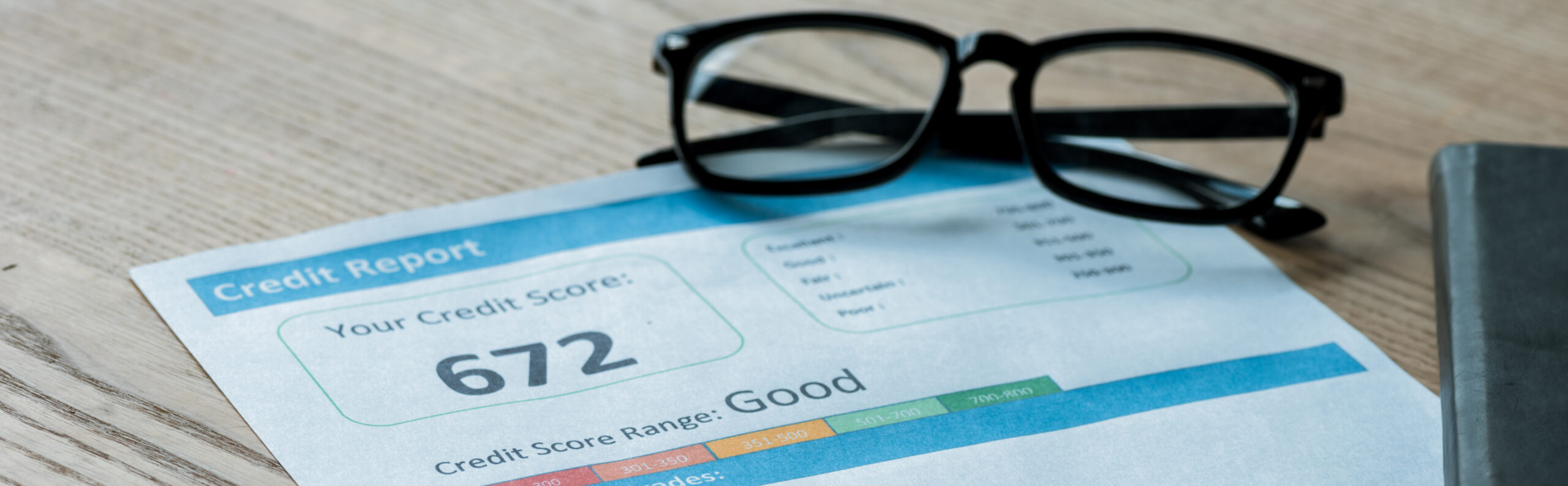
Worried about your credit and want a few clear steps to improve it?
Our Christian debt relief programs give us insight into helping people not just with their debt, but their credit as well.
There are two things to know: You are not alone, and there are some simple ways to boost your credit score.
According to Experian’s annual consumer credit review, nearly one-third of Americans may have difficulty obtaining loans and credit cards due to credit issues.
The better your credit, the lower your interest rate on car loans and credit cards. Good credit scores will also make homeownership much easier. There are few tools more valuable in your financial tool belt than a good credit score.
Below are five simple ways to boost your credit score.
1. Get Rid of Credit Card Debt
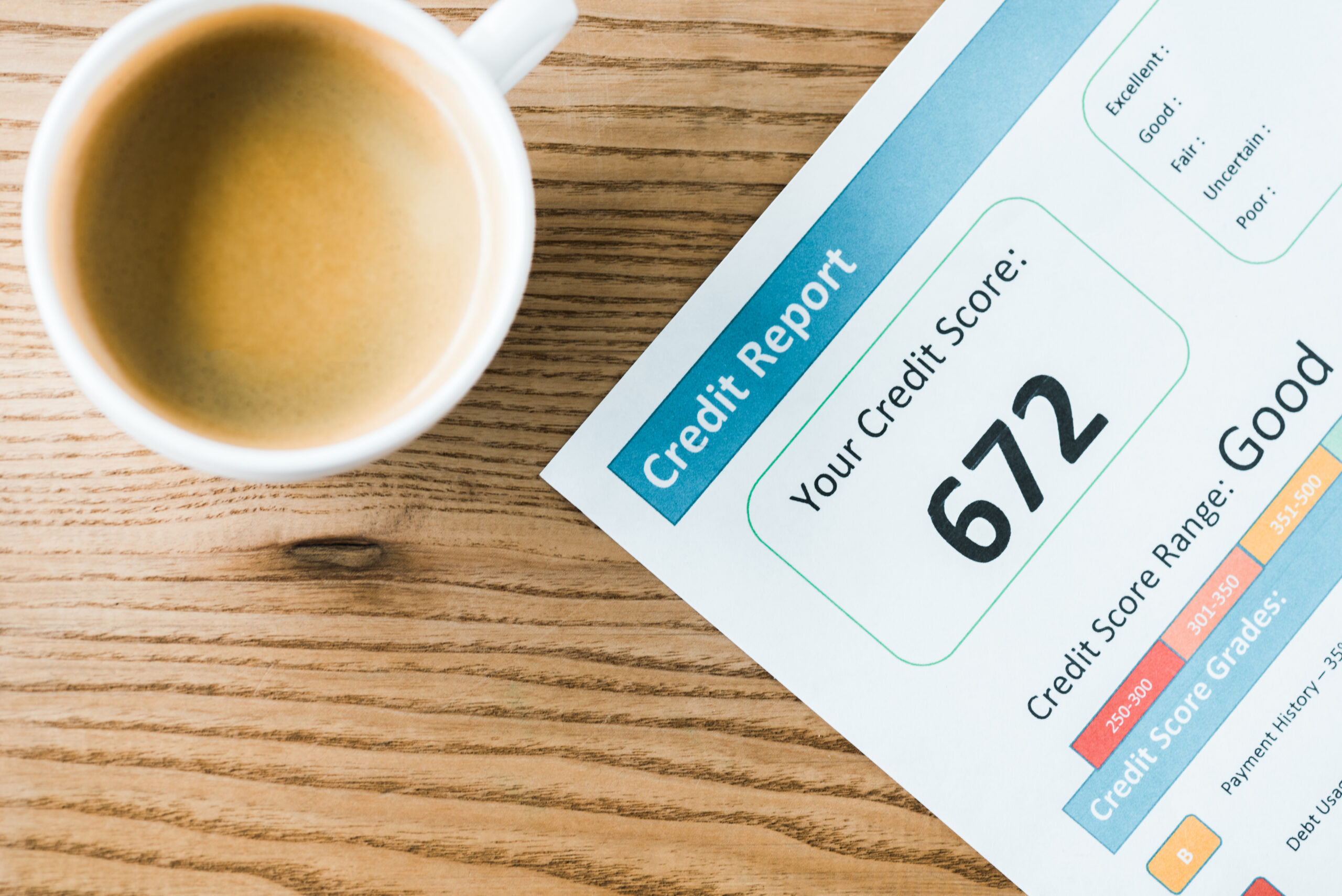
Paying off loans, such as your mortgage, car loan, or student loans, can improve your scores, but it won’t improve your scores as much as consistently lowering balances on revolving accounts such as credit cards. Your debt-to-credit-limit ratio plays a significant role in determining your credit score.
Paying your balances down doesn’t just help your credit score either, it takes major financial pressure off! Understanding how our Christian Debt Relief programs impact your credit is important to ensure long term success.
Making big charges can damage your scores whether you pay off your balances each month or not. As a rule of thumb, keep your monthly charges to 30% or less of your credit card’s limit.
2. Be sure your credit limits are reported accurately
If your lender is showing a credit limit that is lower than your actual amount your credit score can be penalized. Most credit card issuers will quickly update this information if you make them aware of the error.
This proven and simple way to boost your credit score requires very little legwork and can make a big impact, fast.
3. Keep Using Older Cards
Quite simply, the older your credit history, the better. Continue to periodically use the credit cards that you’ve had the longest and your credit score will benefit. Don’t make unnecessary purchases or go deep into debt for this. Even an occasional fill-up at the gas station will do the trick.
4. Study Your Credit Report for Errors
When it comes to raising your credit scores, some errors are more important to fix than others.

Here’s what you should look out for. Get these items corrected if you discover mistakes have been made:
- Late payments
- Credit limits reported as lower than they actually are, as mentioned above
- Accounts listed as anything other than “current” or “paid as agreed” (such as “paid derogatory” and “paid charge-off”) if you paid in full and on time.
- Accounts included in bankruptcy still listed as unpaid.
- Negative items older than seven years should have automatically been removed from your credit report.
Follow these five simple ways to boost your credit score and you should see your score steadily improve.
5. Ask the creditor to raise your credit limits…. but be careful!
While paying down debt is one way to improve your utilization rate, another is to increase the limit. Raising your credit limit will improve the all-important gap between your balances and your available credit, which in turn will support your credit health and score.
It’s better to leave your limits where they are and achieve this goal through paying debt down. However, a credit limit uses the very same thinking to quickly raise your score.
Interested in reducing or eliminating your credit card debt quickly and easily? Our proven Christian debt relief programs will provide a customized debt relief solution so you can achieve true financial freedom.