19Feb 2014

Learn the habits, systems, and disciplines that create long-term financial stability. Explore biblical principles, practical routines, and mindset shifts to support you in growing consistently over time.



03Feb 2014
When the most recent recession hit our country, many people were really traumatized as their long held ideas about money were destroyed.
For a few generations, America had bought into the idea that wise money management was defined by your credit score and anyone with a college degree and a 401K was financially invincible. Then companies closed, 401Ks disappeared and engineers with master’s degrees walked into unemployment offices for the first time. We have had to rethink our ideals concerning money on a personal as well as national level.
Many people are going farther than just re-thinking their ideas on money, though.
Many individual’s are beginning to realize that our core ethics are really at the heart of our money choices. When poor money choices determine the rise and fall of an entire nation affecting millions of families in the space of just a few years, it becomes apparent that we are dealing with something much more profound than just personal financial choice. We are dealing with a morality issue, not simply a money issue.
Indulgence, excess and entitlement are all contributing factors to money mismanagement on every level; personal, business and national. We indulge ourselves with possessions beyond our budget, our spending exceeds our income and we justify it all with a prevailing sense of entitlement that has no basis in the Christian religion.
There is a movement in America, especially among Christians, to reverse these ideas and to establish a new money morality that can be passed on to our children so that the next few generations will not face the same disasters.
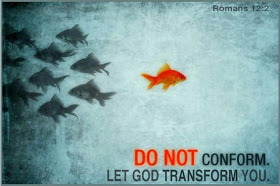
No Easy Money
One tenant of this new view is to realize that there is no such thing as easy money or a free pass.
Working hard to earn a college degree is a wise investment of time and money, but at best it can only increase your odds of good employment opportunities. There are no special groups that get special employment opportunities. We must all do our best to secure honest employment for our self and we are all at the mercy of our economy.
Rethinking Social Status
Another aspect of our money morality that is changing, although slowly, is the way our society thinks of social status.
Social status has traditionally been defined by our education, employment and possessions. However, there is a new way of determining who we admire in many of our social circles. Financial security is the new cool kid on the block and it is better than brand new cars, three story houses or designer clothing. Manageable mortgages, paid for vehicles and chunky emergency funds are what many turn green with envy over.
After watching families lose their homes and struggle to even put food in their mouths, many Americans are much more concerned with security than they are with impressing their neighbors.
Less Is More
One of the most apparent changes folks are making to reflect their new money morality is to scale back things such as vacations, birthdays, and holidays. Many families are finding that simple vacations, low key birthdays and modest holidays can be just as enjoyable as the excessive, indulgent events of the past.
The feeling of maintaining control and sticking to a budget is much more fulfilling than the short lived enjoyment of extravagant spending.
Explaining Yourself to Others
If you are among these financial revolutionaries there will be some who do not understand your new stand on financial choices. When you are facing questions from others you can take one of two approaches. You can either try to explain all of your reasoning behind your choices and attempt to educate others, or you can simply inform people that this is your new financial lifestyle, nothing more needs be explained than that.
Many individuals in our country have undergone severe financial difficulties. If not you, likely your neighbor. We must learn from the troubles that have arisen from living in excess. We must adopt a new money morality and change our entire outlook on money management, especially if we are wishing to manage our finances from a Christian perspective.





15Jan 2014

Though simple in concept, budgeting can be a daunting task in the eyes of many people. Keeping track of where your money goes may seem like a chore that is time-consuming and difficult, but it doesn’t have to be this way. Budgeting and keeping track of expenses can be as simple or complicated as you want it to be.
A budget is the foundation of your finances.
Why Keep Track?
Keeping track of your expenses will show you where your money really goes.
Do you know how easy it is to spend an excessive amount of money on unnecessary items? If you get a mocha or latte at Starbucks twice a week for the year, you’ve spent well over $500 on coffee alone.
Removing the Unnecessary Sink Holes
Almost all of us have opportunities for improvement in our budgets. Once you have created your budget and realize where you are spending the largest amount of money each month, you will be able to think about cutting down unnecessary costs that are dragging you down.
Perhaps limiting yourself to one coffee shop trip a month (and making your own the rest of the week) is something that helps you have more cash for other important things. Or maybe you realize you are pumping money into cable TV each month, when you are barely home to enjoy it. Or maybe you find that the money you spend going out for food more often than not would be less costly if you chose to cook at home a few more times a week.
If you aren’t willing to take a good look at where your money goes, then you will continue to spend the same. Saving up, paying debts and living within your means are facets of a solid steward. Don’t squander what you’ve been given–be responsible with it.
You Can Still Have Fun
This might sound like if you keep track of where your money goes then you will feel guilty for having any fun, but that shouldn’t be the case. Having a special column in your expenses for entertainment is a good idea, but this should be the lowest cost of the month or a treat for when you settle your first debt on your Christian debt settlement plan. Entertainment would include TV, desert and coffee, shopping for fun and doing other entertaining things like going to a basketball game or concert.
Getting Started
Whether you use a piece of paper, an excell spreadsheet, or software you find online, the important thing is to take action.
There are programs out there that offer to take your card spending and filter it into a readable format of expenses. You can also do it yourself, but the most important part about this is that you start immediately and you keep up with it!
Each week you should enter your costs that you have paid out and any money you have brought in. Keeping your receipts for the day until you can enter them into the computer will help you not forget what you’ve spent money on.
Your budget is going to be the foundation of your finances. Take the time to create an honest budget and you will be well on your way to achieving your financial goals.