
Faith Before FICO: How to Build Credit as a Christian

Estimated reading time: 11 minutes
Table of contents
- Honest Scales and Modern Credit Reports: Credit Through a Biblical Lens
- How to Build Credit as a Christian— Education before Application
- Education Before Application— Christian Financial Literacy
- How to Start Building Credit From Scratch
- Understanding Your Credit Score
- Credit History vs. Credit Score: What’s the Difference?
- How to Check Your Credit (for Free)
- What If You Can’t Pay Your Bills?
- Next Steps Toward Faith-Filled Financial Freedom
- Church Leaders: Equip Your Congregation to Build Credit Faithfully
- Families: Build Credit Together, the Right Way
- Christian Credit & Debt FAQs
Credit and Christianity. While seemingly unrelated, Believers know that life with faith at its center often means balancing Christian values alongside worldly norms. With that in mind, it’s perfectly reasonable to consider how to build credit as a Christian.
Credit is a small word with a big impact. Done right, credit can open doors to beautiful opportunities. Handled carelessly, though, that great credit score can lead to a cycle of debt God never intended for you.
Whether you’re just starting out or rebuilding from past mistakes, building credit as a Christian requires both financial wisdom and spiritual discernment.
But how do you build credit?
More importantly, how do you prevent credit and money from becoming an idol?
Let’s walk through it together with wisdom, intentionality, and some faith-based budgeting advice to keep you grounded along the way.
Honest Scales and Modern Credit Reports: Credit Through a Biblical Lens
“The Lord detests dishonest scales, but accurate weights find favor with Him.”
“The Lord detests differing weights, and dishonest scales do not please Him.”
God cares about integrity within measurement systems.
Ancient Measurement Practices
In Biblical times, merchants used physical scales and standardized weights to measure grain, silver, and other goods. At the time, accountability was fleeting. A dishonest merchant could tip the scale slightly in their favor. The practice was quite easy, but deeply unjust.
Modern Credit Systems
Today, we no longer carry silver on scales, but we measure trust in other ways. Our modern financial system uses credit reports and credit scores as a kind of “scale.” They weigh your repayment history, balances, length of credit, and consistency, resulting in a three-digit score that is claimed to signal your financial reputation.
In principle, a reporting system is not unbiblical.
In fact, a fair reporting system aligns with the Proverbs vision of honest weights. When accurately maintained, a credit report reflects whether someone has kept their financial promises. It is a measurement of reliability—certainly not a measurement of worth.
The problem is not measurement itself.
The problem occurs when:
- Measurement becomes distorted
- Worldly scores become an idol, sacrificing a purposeful life
- The system becomes unbalanced, unfair, unelected, and unaligned
When measurement becomes distorted, the scale is no longer honest.
Credit reports can contain errors.
Balances can be misreported.
Old debts can reappear.
Collection accounts can be duplicated.
And what is most important to see is that the US credit system rewards borrowing, not wisdom.
As Christians, we should care deeply about accuracy and fairness in reporting systems. Scripture does not condemn accountability or systems. It demands integrity and condemns injustice.
But there is another concern to guard against. When a three-digit score begins to define your identity, the scale has tipped too far.

Faith Before FICO: Guarding Your Heart
Jesus warned clearly:
“For where your treasure is, there your heart will be also.”
Credit is not sinful. Debt is not automatically immoral. But misplaced trust is.
When decisions are made for the love of money, credit score, or bank account balance, they miss the mark.
Yes, a strong credit score can open doors to housing, business funding, and opportunities that can feel like blessings. Used wisely, it can be a wonderful tool. But when the pursuit of “excellent credit” drives decisions that compromise generosity, peace, or your higher calling, it steps out of stewardship and into idolization.
An idol doesn’t have to be golden. Sometimes it’s just three digits long.
God measures faithfulness differently, and it surely has nothing to do with our credit score.
Bring this idea into a real conversation.
“What has God entrusted to you that you could manage more faithfully? How can gratitude, wisdom, and generosity shape the way you use those gifts in your everyday life?”
Choose a calm moment. The goal is understanding, not solving everything in one conversation.
How to Build Credit as a Christian— Education before Application
We’ve covered the faith perspective, and we’ll keep that first. Next, we move on to the actions for building credit as a Christian.
In simple terms, credit is your financial reputation. It’s the story your money tells lenders about whether or not you’re trustworthy with borrowed funds.
That story gets written over time in your credit report, which tracks how consistently you’ve paid back money you’ve borrowed—whether it’s on a credit card, student loan, auto loan, or mortgage. Companies called credit bureaus, such as TransUnion, Experian, and Equifax, maintain your report. They share key information, including your payment history, open and closed accounts, and your overall credit history.
The more reliable you are, the stronger your credit score becomes. A higher score often provides access to better interest rates, lower fees, and more financial opportunities.
But here’s something we hold close at FaithWorks Financial:
“The rich rule over the poor, and the borrower is slave to the lender.”
While good credit opens doors, debt comes with a financial, emotional, and spiritual cost. Human nature gravitates toward ease, but God’s Word warns us that relying on lenders can place us in bondage. That’s why we teach our clients to pursue self-reliance and God-reliance rather than debt-reliance.
When we lead with wisdom, discipline, and stewardship, we experience true financial freedom—not just better interest rates or higher credit limits, but peace.
When we talk about credit, we’re ultimately talking about biblical stewardship—how well we handle money God has entrusted to us. And in all things, we strive not to love money, but to be good stewards and cheerful givers who reflect Christ.
Education Before Application— Christian Financial Literacy
Before you open your first credit card or take out a loan, it’s important to build financial literacy, which is the foundational knowledge of how money, savings, debt, credit, and stewardship work together.
Without it, even well-intentioned Christians can end up in credit card debt, struggling under financial burdens God never intended them to carry. Credit card bills, missed payments, and overwhelming debt can snowball quickly.
Financial literacy helps you understand how lenders assess risk, why payment history matters, and how to plan wisely for the future.
How to Start Building Credit From Scratch
If you’re just beginning your credit journey—especially as a young adult—here are a few proven, God-honoring ways to build credit without going into dangerous debt:

1. Become an Authorized User
Ask a parent or trusted family member if you can be added to their credit card. You don’t even need to use the card—just being listed on an account with a strong payment history can build your score. Before being added as an authorized user, make sure the credit card company reports authorized users to the credit bureaus.
2. Apply for a Secured Credit Card
A secured card requires a deposit, usually equal to the amount you are seeking as a line of credit. From there, it works like a regular credit card. Because you’ve put up a deposit, the lender’s risk is lessened, and they are more willing to extend credit.
3. Use a Credit-Builder Loan
Some banks and credit unions offer credit-builder loans. You make payments over time, and when the loan is paid in full, you get the funds back. It’s like an investment in your credit.
4. Pay Bills in Your Name
Build your payment history by getting credit where credit is due. Make sure your utilities, phone bill, and streaming services are in your name and are reported to the credit bureaus when possible. Tools like Experian Boost help add these to your report.
Understanding Your Credit Score
A good credit score can help you secure loans with better terms and lower interest rates. FICO credit scores (among the most common credit scoring models) range from 300 to 850, with higher scores indicating lower risk to lenders.
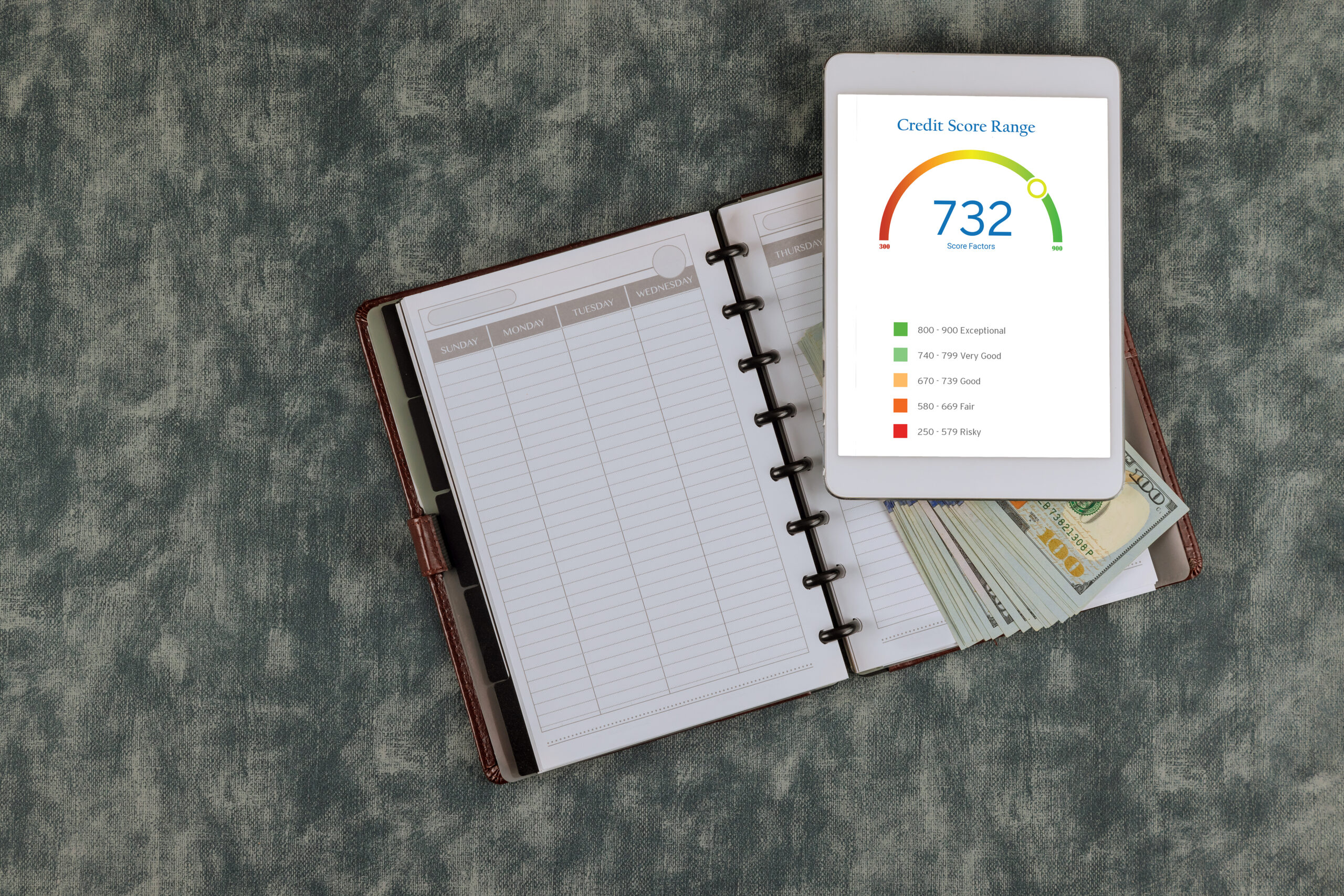
Five factors determine your credit score:
1. Payment History (35%)
Your payment history is the most important factor in determining your credit score. Late payments stick around for years, so always pay your bills on time.
2. Credit Utilization (30%)
This measures how much of your credit limit you’re using. Try to keep this under 30%. Over time, responsible use can even lead to higher credit limits, which can improve your score.
3. Length of Credit History (15%)
Trust takes time. The longer you’ve responsibly managed your accounts, the better. Your older accounts hold more weight in this category than newer lines of credit, which is why it’s wise to be intentional when deciding to cancel a credit card.
4. Credit Mix (10%)
Lenders like to see a mix of credit account types. Having a mix of revolving accounts (such as credit cards) and installment accounts (like loans) can positively influence your credit score.
5. New Credit (10%)
Opening too many accounts at once can temporarily harm your score. Be selective.
Notice that there is no mention of income here. Higher income, more money, or more savings do not necessarily mean better credit.
Credit History vs. Credit Score: What’s the Difference?
Your credit history is the full record of your borrowing activity—how long your accounts have been open, how you’ve handled payments, and the credit mix you’ve maintained (such as credit cards, personal loans, and other accounts).
Your credit score, however, is a summary. The three-digit number tells lenders at a glance how risky (or reliable) you are. Both matter when you’re applying for loans, renting a home, or planning for larger goals like buying a house.
How to Check Your Credit (for Free)
Checking your credit report is free and takes only a few minutes.
You can request reports from Equifax, Experian, and TransUnion at AnnualCreditReport.com.
Review your report for:
- Incorrect accounts
- Identity theft
- Missed payments you don’t recognize
- Honest reporting from creditors
If something looks wrong, like an account you don’t expect or a debt you don’t owe, dispute it quickly. Keeping your report accurate helps improve your credit score over time.
What If You Can’t Pay Your Bills?
Seasons of struggle happen. He meets us in these moments, and a debt free life is possible.
If you’re overwhelmed by credit card debt, late payments, or financial stress, FaithWorks Financial is here to help. Our team offers free, faith-based debt counseling rooted in biblical wisdom and practical strategy.
We’ll help you:
- Understand your credit report and score
- Evaluate your debts and loans
- Consider Christian debt relief programs
- Move toward true financial freedom and become debt-free
Request your free debt counseling session today.
Next Steps Toward Faith-Filled Financial Freedom
Ready to see what life looks like once you’ve broken free from overwhelming debt and poor financial decisions? Let us help you create a customized plan to restore your finances and honor God with every dollar. Schedule your debt relief consultation today!
Church Leaders: Equip Your Congregation to Build Credit Faithfully
Are you a pastor, elder, deacon, or ministry leader?
Many people quietly struggle with credit card debt or financial confusion, even when everything looks good on Sunday. If conversations about debt, credit, and financial pressure are surfacing in your church, we’re here to help.
We created FaithWorks In Your Church to support your church and community through difficult financial seasons.
Receive instant access to a free community providing:
- Biblical financial literacy resources
- Credit-building education rooted in stewardship
- Sermon supplements and small group guides
- Tools to help your congregation pursue financial freedom without compromising faith
Join FaithWorks In Your Church for free resources and support.
Families: Build Credit Together, the Right Way
Money habits don’t start at 18. They start at the dinner table.
If you’re a parent who wants your children to understand credit, debt, stewardship, and generosity through a biblical lens, we built something for you.
FaithWorks Families is a free faith-based financial literacy community designed to help families:
- Teach kids how credit works before they apply for it
- Build budgeting habits rooted in biblical wisdom
- Practice generosity and stewardship together
- Have open, shame-free conversations about money
Financial literacy shouldn’t be outsourced to algorithms.
It should be shaped by faith, family, and intentional discipleship.
Join FaithWorks Families and access free tools for your home.
Because raising financially wise children is one of the most powerful legacy decisions you can make.
Keep building your financial toolkit.
Explore FaithWorks articles and resources about budgeting, debt, credit, family finances, and biblical stewardship.
Christian Credit & Debt FAQs
No. Having credit card debt is not, in itself, a sin, but how we handle it can lead us toward or away from biblical wisdom. The Bible never states that debt itself is sinful. However, Scripture consistently warns that debt can lead to bondage and hinder our ability to live generously and wisely.
The Bible doesn’t mention modern credit scores or credit cards, but it gives clear principles for managing borrowed resources with wisdom, integrity, and God-honoring stewardship. Jesus teaches that how we manage worldly wealth reflects our spiritual maturity and good stewardship.
See: 1 Chronicles 22:12; Luke 16:11
The Bible warns about the dangers of debt, as it creates dependence and limits freedom. “The rich rule over the poor, and the borrower is slave to the lender.” Debt places us in a position of servitude — emotionally, financially, and often spiritually. When managed well, debt can serve as a tool. When balances carry over and pressures grow, we should remember that no one who is financially bound can be spiritually free.
See: Proverbs 22:7,

