What Debt Do You Pay Off First? Smarter Approaches, Faster Results
Table of contents
- Introduction
- Why the Order Matters
- Which Debt Should You Pay Off First? A Smart Combined Approach
- Should You Consider Debt Consolidation?
- Credit Score Considerations: Why Debt Freedom Matters More
- The Bigger Picture: Financial Freedom Over FICO
- Additional Tips to Accelerate Debt Repayment
- Avoiding Common Pitfalls When Paying Multiple Debts
- Frequently Asked Questions
Introduction
When you’re staring down a mountain of debt, the first question that often comes up is, “What debt do you pay off first?”
You’ve probably heard of the debt snowball method for its quick wins and the debt avalanche for its interest-saving power. We’ve worked with thousands of individuals and families since 2012, and we’ve discovered that a smarter, more strategic approach can help you get out of debt faster and with less stress. Our approach blends key aspects of traditional strategies with proven interest and cost-reducing techniques to fully optimize your debt payoff journey.
FaithWorks Financial is a faith-based agency that provides debt education and connects individuals to trusted service providers and debt relief solutions. We are not a direct lender, credit counseling agency, or debt settlement provider, nor do we offer tax, legal, or credit repair services. Our role is to help you understand your options and connect you to the most appropriate service for your situation. We may receive compensation from service providers if you follow a link on our page or choose to enroll in a service provided by our network of debt relief providers. Our involvement does not change the rate you pay or the fee you are charged. Each service provider has its own terms, fees, and requirements, and results vary based on individual circumstances. We encourage everyone to review available options carefully, including speaking with a bankruptcy attorney or financial advisor, before deciding.
If you’re ready to see progress in paying off debt, keep reading—we’ve got you covered.
Why the Order Matters

Not all debts are created equal. The order in which you pay debts off can drastically change your repayment trajectory. First, it’s important to understand the types of debt you may be dealing with:
- Credit Card Debt: High interest rates and revolving balances. According to the Federal Reserve, the average credit card interest rates hovered around 24.96% as of September 2026, which can cause significant financial strain. (Source: Forbes)
- Student Loans: Federal or private education loans often have lower rates than consumer debt and may offer multiple repayment options.
- Medical Debt: Doesn’t usually accrue interest, but non-payment can affect your credit score and access to care.
- Auto Loans: Secured debt that uses a vehicle as collateral. If payments are missed, your vehicle may be repossessed.
- Personal Loans: Can vary widely in interest rates and terms, often used for consolidating other debts.
- Tax Debt: High priority due to penalties and potential legal consequences, including wage garnishments.
A well-structured debt repayment strategy helps avoid overwhelm and keeps you moving forward with clarity and purpose.
The High Cost of Minimum Credit Card Payments

One of the most dangerous habits when managing revolving debt is only making minimum payments.
Revolving debt, like credit card accounts, often have low minimum payment requirements—typically 2-3% of the balance. However, paying only the minimum can keep you in debt for years. This is what we call the minimum payment trap.
Minimum Payment Trap Example:
If you owe $5,000 on a credit card with a 20% interest rate and only make the minimum payment of 2% of the balance each month, it will take you over 30 years to pay it off, and you’ll pay more than $15,000 in interest costs alone. That’s more than three times what you originally borrowed!
By switching to a fixed monthly payment instead of sticking with the decreasing minimums, you can save years of stress and thousands in interest. Here’s a breakdown to show the difference between paying 2% minimums and committing to a consistent fixed monthly payment.
A Visual of $5,000 Debt Repayment
| Payment Amount | Time to Pay Off | Approximate Repayment Cost |
|---|---|---|
| Minimum (2%) | 15+ years | ~$20,254 |
| Fixed $150 | 9+ years | ~$7,287 |
| Fixed $200 | 3 years | ~$6,460 |
Why This Happens
At first glance, 2% of $5,000 is $100 — so it might seem the same as a fixed $100 payment. But the key difference is that the 2% minimum payment drops every month as your balance decreases, slowing progress dramatically.
Key Takeaways
- Paying only the minimum can triple or quadruple the cost of your original debt!
- Increasing your payments significantly reduces interest and time spent in debt.
- Even adding $50 or $100 extra per month can save years and thousands of dollars.
Minimum monthly payments are a trap designed to benefit the lender, not you. Paying only the minimum on all your debts can also negatively affect your credit utilization ratio, which is a key factor in your credit score. The higher your balance relative to your credit limit, the worse it looks on your credit report.
Which Debt Should You Pay Off First? A Smart Combined Approach

When deciding which debt to pay off first, a strategic approach can make a world of difference. Instead of choosing a single method, combining interest rate reduction with a targeted payoff strategy can speed up your progress and lower the overall cost of debt repayment.
Here’s the two phase process:
- Choose a Path to Lower Your Interest Rates
- Capitalize on the Reduction With an Intentional Debt Payoff Method
Step 1: Choose a Path to Lower Your Interest Rates
Reducing your interest rates can help more of your payment go toward the principal balance rather than interest. Three effective tools for lowering interest rates include:
- Balance Transfer Credit Cards: These cards often offer 0% APR for an introductory period, allowing you to transfer high-interest credit card balances and save on interest. However, you must pay off the balance before the promotional rate expires to avoid a higher interest rate. This option works best if you have a solid plan to aggressively pay down the debt. Explore Balance Transfer Credit Cards.
- Debt Management Plan (DMP): Offered by reputable credit counseling agencies, a DMP consolidates your unsecured debts into a single monthly payment. The agency may negotiate lower interest rates with your creditors. Accounts included in the program are closed, which facilitates meaningful behavioral change. Unlike balance transfer cards, a DMP is structured and disciplined, helping you avoid falling back into debt. Explore Debt Management Plans.
- Debt Consolidation Loan: Combine multiple debts into a single loan with a fixed interest rate, ideally lower than rates of the debt you are consolidating. By replacing high-interest debt with a debt consolidation loan, you can simplify your payments and reduce overall interest costs. However, qualification depends on your credit score, and some loans may have fees or require collateral. This strategy works best if you can secure a lower rate and it is an unsecured loan, meaning it doesn’t have a vehicle or other asset on the line as collateral. Explore Debt Consolidation Loans.
Saftey Tip- Don’t wind up in twice the debt! Close the consolidated accounts, or request a credit limit reduction.
Not all debt can be consolidated. Lower interest where you can.
While consolidation methods can simplify and streamline, not all debts qualify. Depending on your approach to consolidating, your loan or credit limit may not cover all your debts, or certain credit cards or loans may remain outside a DMP, leaving you with accounts to manage. Don’t feel stuck or assume you have to keep paying high interest on the debt. Instead, take proactive steps to lower interest rates on the remaining accounts.
How to Lower Interest Without Consolidation
- Request relief from your lender— One way to lower interest rates without consolidation is to call your creditors and request a hardship interest rate reduction. Many lenders are willing to work with customers facing financial difficulties, offering temporary or permanent lower interest rates. Explain your situation honestly and emphasize your commitment to repayment.
- Improve Your Credit Score—Over time, improving your credit score can qualify you for lower interest rates when creditors reassess your account or when you refinance later. Pay bills on time, reduce credit card balances, and avoid new debt to build your creditworthiness, which can lead to better rates.
- Make Larger or More Frequent Payments—While this doesn’t lower the rate itself, paying down your principal faster reduces the amount of interest you pay overall. Making extra payments or splitting your payments into bi-weekly installments can reduce interest accumulation and shorten your repayment timeline.
By combining consolidation strategies like a DMP, balance transfer, or debt consolidation loan with these approaches, you can significantly reduce your overall interest expense. This gives you a strong foundation as you move to the next step—choosing a structured payoff strategy to eliminate your remaining debt.
Not sure which approach is right for you?
Request a free consultation with a FaithWorks Christian Debt Advisor.
Turn one idea into one small action.
Take 10 minutes today to create your lifeline list.
Small, repeatable decisions are often more useful than an ambitious plan that is difficult to sustain.
Step 2: Capitalize on the Reduction With an Intentional Debt Payoff Method
After consolidating what you can and negotiating lower interest rates on remaining debts, it’s time to tackle the debt. Choosing a strategic payoff method will help you stay focused and make steady progress toward debt freedom.
The Debt Snowball Method
The debt snowball method involves paying off debts from the smallest balance to the largest:
- List your debts from smallest to largest, ignoring interest rates.
- Pay only your minimums on all debts except the smallest.
- Throw as much extra money as possible at the smallest debt.
- Once paid off, roll that payment into the next smallest debt.
- Continue until all your debts are eliminated.
Why Choose the Debt Snowball?
You can still use the debt snowball method during a debt relief program or after getting a debt consolidation loan. The debt snowball method offers quick wins that help build momentum. According to a study by Harvard Business Review, people who focused on smaller debts first were more likely to pay off all their debts. The sense of progress keeps you motivated, especially when working toward a long-term goal. If you thrive on quick wins, the debt snowball could be the best approach.
The Debt Avalanche Method
The debt avalanche prioritizes debts with the highest interest rates first:
- List your debts from highest to lowest interest rate.
- Pay the minimum amount on all debts except the one with the highest interest.
- Direct any extra funds toward the highest-interest debt.
- Once paid off, move to the debt with the next highest interest rate.
- Repeat until all debts are cleared.
Why Choose the Debt Avalanche?
This method is mathematically the fastest way to pay off debt because it minimizes the total interest paid. It works particularly well if you are disciplined and motivated by long-term savings rather than immediate wins.
Combining These Strategies for Maximum Impact
The ideal approach may be a hybrid strategy, particularly if you have a mix of large and small debts with varying interest rates:
- Start with a Balance Transfer or DMP to reduce interest rates and simplify payments.
- Apply the Debt Snowball Method for quick wins to stay motivated.
- Switch to the Debt Avalanche Method once you gain momentum, focusing on high-interest debts to save on interest costs.
Should You Consider Debt Consolidation?
Debt consolidation involves combining multiple debts into one new debt consolidation loan, ideally with a lower interest rate.
Pros:
- Simplified payments: One monthly payment instead of managing multiple accounts.
- Potentially lower interest rates: Especially if consolidating high-interest credit card balances.
Cons:
- Fees and costs: Many consolidation loans include origination fees or other costs.
- Extended repayment terms: Lower monthly payments often mean a longer time in debt.
- Risk of accumulating more debt: If you consolidate credit card debt but keep using the cards, you could end up deeper in debt.
Consolidation might help simplify payments, but it doesn’t address the spending patterns that led to the debt. It’s essential to commit to not taking on new debt while repaying the consolidation loan.

Credit Score Considerations: Why Debt Freedom Matters More
When you’re working to get out of debt, it can be tempting to keep an eye on your credit score. After all, a good credit score can impact everything from loan approvals to interest rates on future financing. However, focusing too much on your score can actually hold you back. Instead, it’s far more important to address the root issue—your debt—than to worry about maintaining a specific number.
Why You Should Ignore Your Credit Score (For Now)
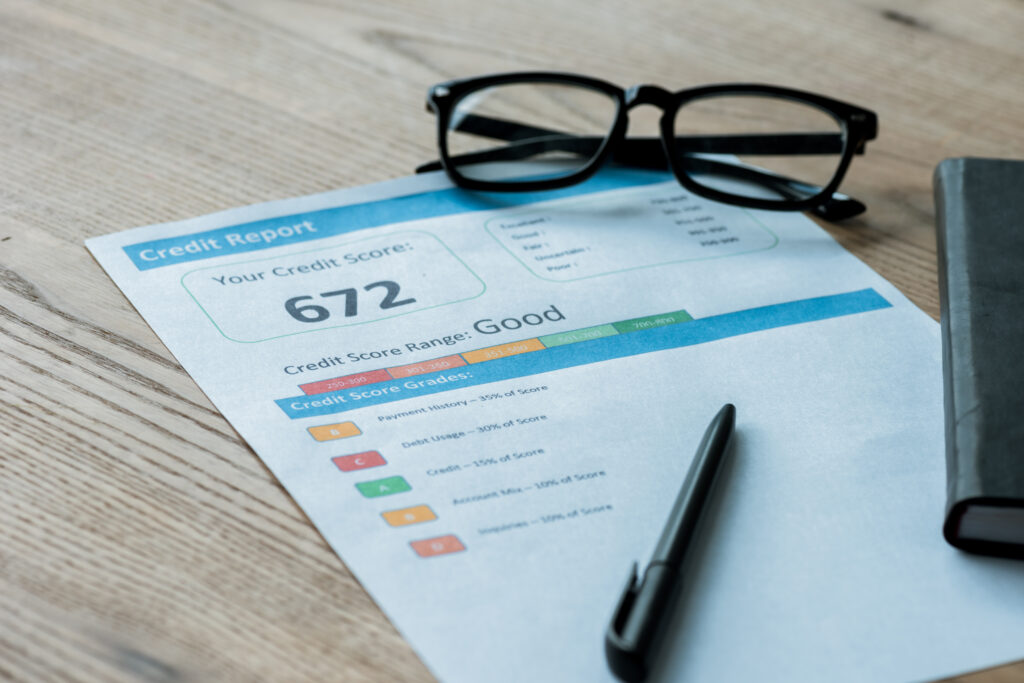
A credit score is essentially a measure of how well you manage debt, not necessarily a measure of financial health. Many approaches to resolving outstanding debt, especially those involving debt consolidation, balance transfer credit cards, or Debt Management Plans (DMPs), can temporarily drop your score. However, these short-term impacts are worth it for the long-term benefit of being debt-free.
Imagine the peace of mind that comes from having no debt at all—no minimum payments, no high-interest charges, and no stress about keeping your credit utilization ratio in check. Once your debts are paid off, you’ll shift from debt-reliance to self-reliance and will have the freedom and financial stability to rebuild your credit on your own terms.
How Debt Repayment Can Impact Your Credit Score
| Action | Impact on Credit Score | Long-Term Benefit |
|---|---|---|
| Lowering Credit Utilization Ratio | Positive impact if balances are reduced while accounts remain open. | Improves score and financial flexibility. |
| Closing Credit Card Accounts | May negatively affect your credit utilization ratio and length of credit history. | Avoids the temptation to accumulate new debt. |
| Opening a Balance Transfer Credit Card | May result in a temporary dip due to a hard inquiry and changes in account age. | Reduces interest, allowing faster repayment. |
| Enrolling in a Debt Management Plan | Could affect utilization ratio and account age because enrolled accounts are closed. Over time, your debts are paid down, improving those ratios. | Provides a structured path to debt freedom. No credit requirements make it very accessible. |
| Settling Debts for Less Than Owed | If you are current on your debt, settlement harms your score significantly due to initial default. If you are already behind, it provides a path to deal with trouble debt. | Removes debt, but may require time to recover credit. Best if you’re behind or soon to be behind. |
| Making Only Minimum Payments | Keeps accounts current but does not reduce debt significantly. | Prolongs debt and costs more in interest over time. |
The Bigger Picture: Financial Freedom Over FICO
A credit score is a tool, not a virtue.
Once you’re debt-free, you’ll be in a stronger position to improve your credit score through positive behaviors like paying bills on time, keeping credit card balances low, and avoiding unnecessary new debt. The temporary drop in your score is a small price to pay for lasting financial stability and the freedom to live without debt.
The truth is, life is much easier when you don’t need to rely on credit. Instead of being chained to your utilization rate, you’ll have the freedom to save, invest, and give generously. Ultimately, your financial health is defined by how much you own and how little you owe—not by a number on a credit report.
Additional Tips to Accelerate Debt Repayment
- Budget with Purpose: Create a faith-based budget that prioritizes giving, saving, and paying down debt.
- Increase Income Streams: Consider side gigs, freelancing, or selling unused items.
- Cut Unnecessary Expenses: Be mindful of spending and avoid impulse purchases.
- Stay Motivated: Celebrate small wins and stay connected to a supportive faith community.
Avoiding Common Pitfalls When Paying Multiple Debts
- Minimum Payments Only: This prolongs debt and increases total interest paid.
- Accumulating New Debt: Avoid taking on new debts while focusing on repayment.
- Ignoring Emergency Savings: Keep a small emergency fund to avoid setbacks.
Frequently Asked Questions
If your mortgage has a low interest rate, it may be wiser to focus on higher-interest debts first. However, once your existing debts are paid off, putting extra toward your mortgage can help you save money on interest payments over time.
Private student loans often have higher interest rates and fewer repayment options than federal student loans, often making them a better target for early payoff.
Start by evaluating your financial situation, listing your income and expenses, and allocating as much as possible toward debt repayment. Prioritize essentials and reduce discretionary spending.
Consolidating debt combines multiple debts into one payment, often with a lower interest rate. A home equity loan uses your home’s value as collateral, which can provide funds to pay off high-interest debts, but it also puts your home at risk if you default.
You do not need to choose a debt solution before asking for help.
A FaithWorks counselor can listen, review the broader picture, and help you compare the options worth exploring. The consultation is free, and asking questions does not enroll you in a program.
FaithWorks provides debt guidance and referrals. Independent providers deliver any debt-relief program you choose.

